Scientific Research Overview: Botanical Compounds Under Examination

Understanding the current state of scientific literature examining botanical compounds and their effects on articular flexibility and general wellness.

Current Research Landscape

Botanical compounds representing thousands of years of traditional use are now being examined through modern scientific methodologies. This section provides an overview of how research approaches these materials, what evidence currently exists, and how to interpret research findings contextually.

Research Methodology Evolution

As technology advances, researchers can examine botanical compounds with increasing precision. Modern research uses sophisticated biochemical analysis, advanced imaging, genetic sequencing, and rigorous clinical trial designs to understand how these compounds work.
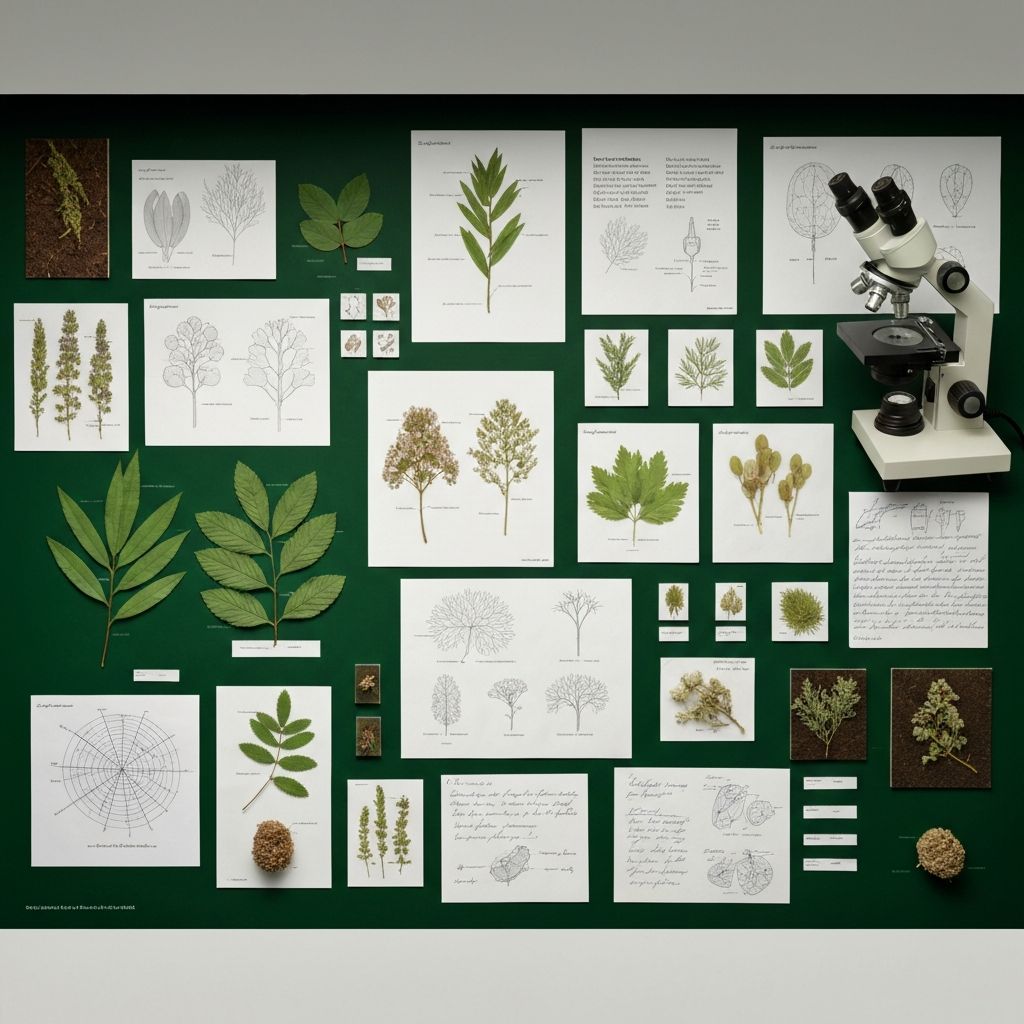

Scientific research documentation

Types of Botanical Research

Laboratory Studies

In vitro research examines botanical compounds' effects on isolated cells and tissues. These studies help identify which compounds have specific biological activities and provide mechanistic understanding of how they work at the cellular level.

Preclinical Models

Animal studies help researchers understand how compounds behave in living systems before human trials. These provide safety data and help identify optimal dosages and administration methods.

Clinical Trials

Human studies range from small exploratory trials to large, double-blind, placebo-controlled trials. These provide the most direct evidence for safety and efficacy in human populations.

Knowledge portal research setting

Evidence on Key Botanical Compounds

Research has examined numerous botanical materials. Here's an overview of what the scientific literature suggests about some commonly studied compounds:

Turmeric (Curcuma longa)

Extensively studied for its active compound curcumin, with research suggesting potential effects on inflammatory pathways and joint health support, though bioavailability remains a research focus.

Ginger (Zingiber officinale)

Research has examined gingerol compounds for their general anti-inflammatory properties and potential support for joint flexibility and mobility.

Boswellia (Frankincense)

Traditional use for joint health has prompted research into boswellic acids and their potential mechanisms of supporting flexibility and comfort.

Green Tea (Camellia sinensis)

Polyphenol-rich green tea has been studied for antioxidant effects and potential support for overall health and cellular protection.

Interpreting Botanical Research

Understanding research findings requires careful interpretation:

Active Research Directions

Current botanical research is particularly focused on:

Research Limitations and Knowledge Gaps

Despite substantial research, significant gaps remain in botanical science:

Disclaimer

Not a medicinal product. Consult a healthcare professional before use.

This overview presents scientific findings contextually for educational purposes. Research findings do not constitute medical advice or proof that botanical compounds treat, cure, prevent, or mitigate any disease. Individual responses vary, and professional guidance should always be sought.