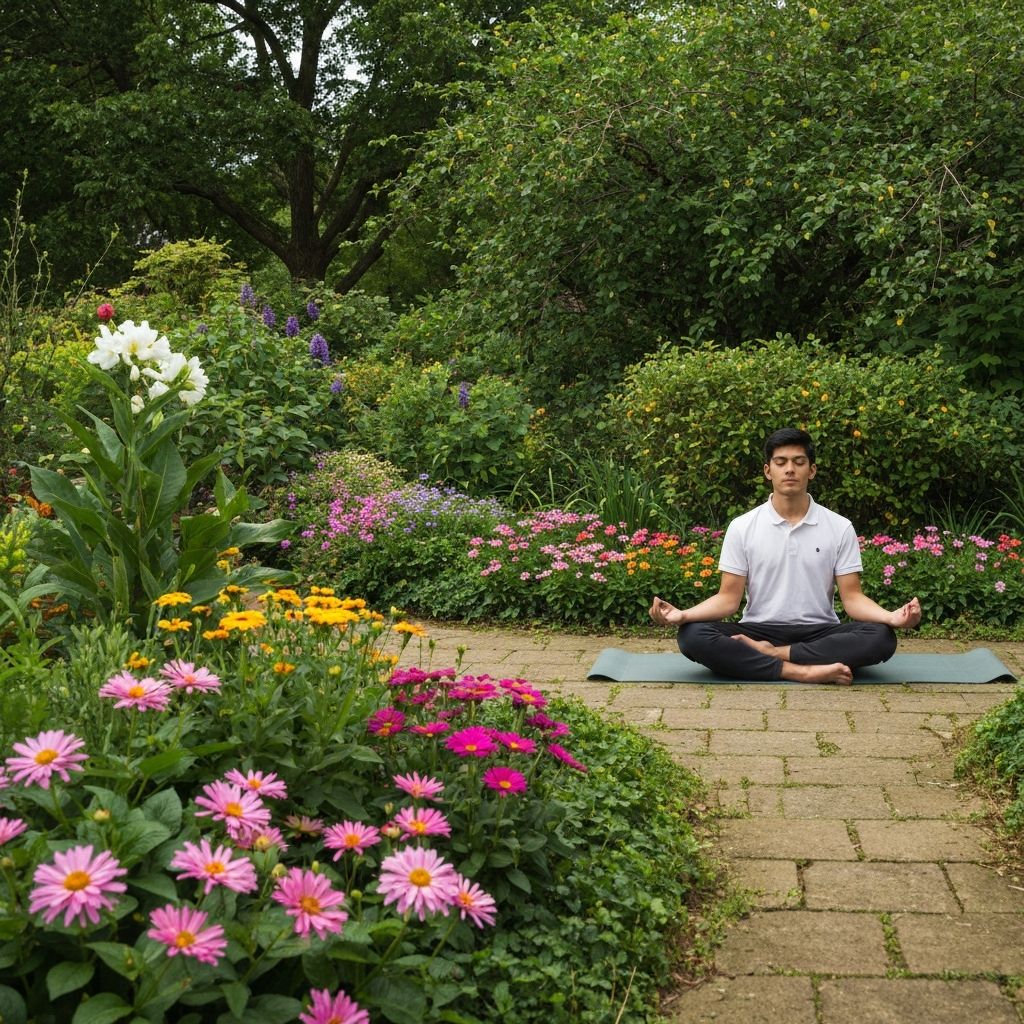
Understanding how various cultures have traditionally utilized specific plants for wellness, examined through historical and anthropological perspectives.
For thousands of years, cultures worldwide have developed sophisticated knowledge about botanical materials and their applications in wellness. These traditions represent empirical observation accumulated across generations, providing valuable insights that modern science continues to examine.
Botanical knowledge was traditionally passed through oral traditions, apprenticeships, and written records. Different cultures developed distinct frameworks for understanding and categorizing plants based on their properties and applications.
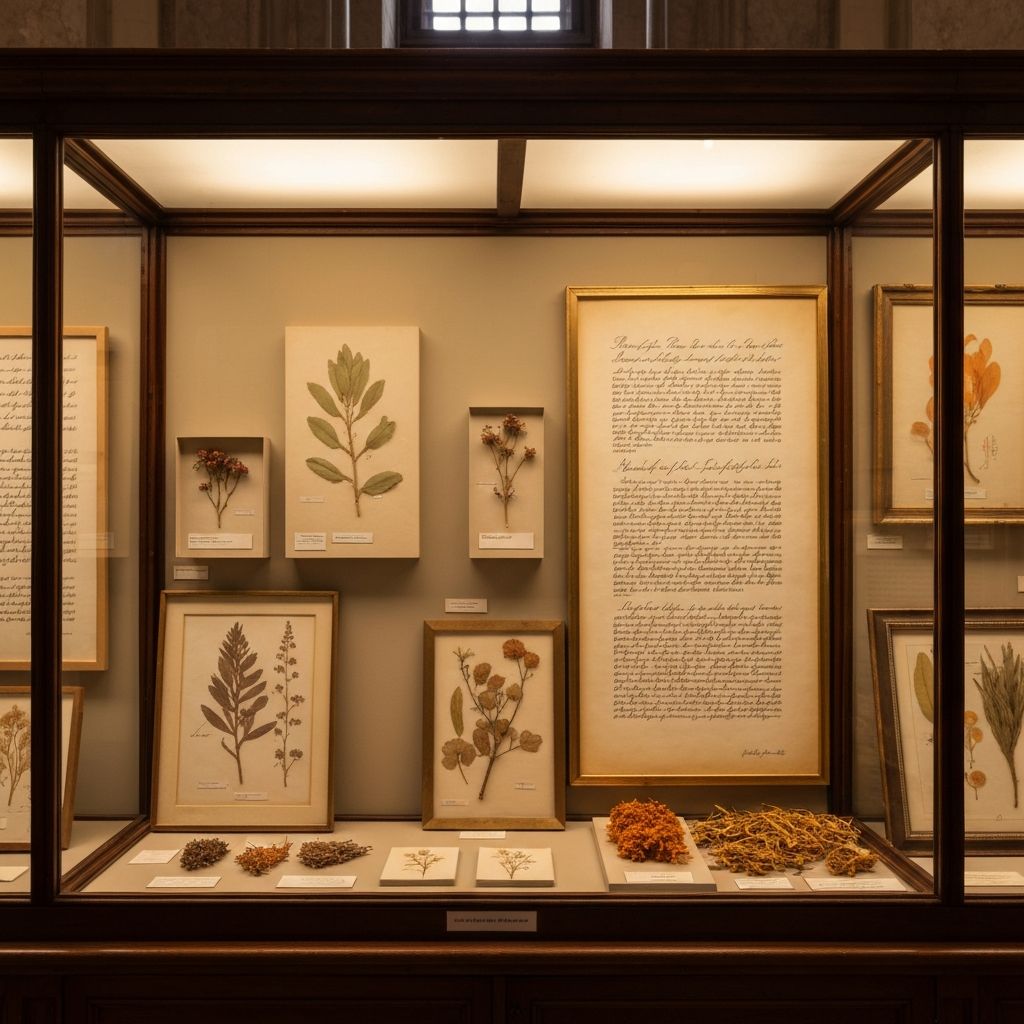
TCM classifies herbs based on properties like temperature (hot, warm, neutral, cool, cold) and flavor, using principles of Yin-Yang and Five Elements balance. For joint health, herbs are traditionally categorized by their ability to move Qi (energy), warm meridians, and support circulation.
Traditional formulas often combine multiple herbs synergistically. A formula addressing joint flexibility might include warming herbs, circulation-supporting compounds, and anti-inflammatory materials.
Ayurveda categorizes substances based on doshas (Vata, Pitta, Kapha) and their specific properties. For joint support, Ayurvedic practitioners traditionally use warming, grounding herbs to balance Vata dosha, which governs movement and flexibility.
Ashwagandha, Guggulu, and Shilajit are traditionally used in Ayurvedic practice for supporting joint health and mobility.
European herbalism developed through direct observation of plants growing in local environments, combined with influences from Greek, Roman, and Islamic medical traditions. Medieval herbals documented specific plants and their traditional uses.
Medieval herbals classified plants by their "humoral" properties, attempting to balance the four humors. This framework, while different from modern physiology, drove systematic botanical study.
European herbalists traditionally used plants like Devil's Claw, Meadowsweet, and Nettle for supporting joint flexibility and comfort, knowledge that persists in modern herbal practice.
The Renaissance period saw florescence of herbal knowledge, with detailed botanical illustrations and comprehensive herbals documenting plant properties and uses.
Indigenous cultures worldwide developed detailed knowledge about local plants and their applications. This knowledge was intimately connected to specific ecosystems and environments.
Native American herbalism developed sophisticated use of local plants. While specific plant knowledge varied by region, principles of respect for plants and understanding of their properties were universal.
Amazon and Andean regions developed extensive knowledge of tropical and highland plants. Many of today's researched botanical compounds originated in indigenous knowledge systems.
Several plants have been extensively used across multiple cultures for supporting joint flexibility and wellness:
Used in Indian and Southeast Asian traditions for thousands of years. Traditional use spans Ayurvedic medicine, TCM, and folk herbalism across numerous regions.
One of the most widely used warming spices globally. Traditional use spans Asian, Middle Eastern, and European herbalism for supporting circulation and flexibility.
Used in Ayurvedic and traditional Middle Eastern medicine. Historical use in ceremonial, spiritual, and wellness contexts spans millennia.
Used by southern African indigenous peoples for joint support. Traditional use was documented by early European observers.
Different cultures approached botanical wellness differently:
Modern research has validated many traditional uses, though research findings do not mean traditional claims were medically accurate—rather, they suggest scientific examination of phenomena traditional practitioners observed.
Traditional knowledge provides:
Not a medicinal product. Consult a healthcare professional before use.
This article presents historical and cultural information for educational purposes. Traditional use does not constitute medical proof. Professional healthcare guidance should always be sought.